menu
menu
Location: International Airports (e.g. Gatwick, Heathrow, Scandinavia)
Project/Case: Pushback Zone Heating Systems
Year: 2023
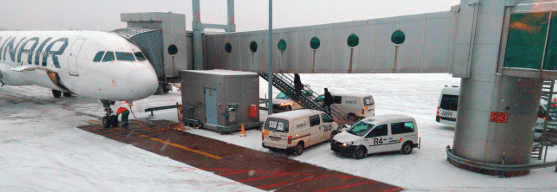
Airport pushback heating was required to keep aircraft movement areas clear during severe winter weather. Pushback zones are located beside the stands where aircraft park. Tugs use these areas to move aircraft away before they continue under their own power.
Airports can clear runways and taxiways with snowploughs. However, operating heavy snow-clearing equipment near aircraft stands is extremely difficult. The limited working space requires a different approach to snow and ice control.
During heavy snowfall, pushback tugs can become immobilised. Snow and ice can also reduce grip and create safety hazards around the stands. In addition, blocked pushback zones can cause costly delays to aircraft movements.
The airport therefore required reliable surface heating. The system needed to keep the zones clear regardless of winter conditions. It also had to support safe and uninterrupted pushback operations.
Heatcom Group designed and delivered the snow melting systems through its subsidiary Heatmat. The solution was tailored to the practical requirements of airport pushback zones.
The team specified heating cables manufactured in Denmark. Depending on site requirements, installers could place the cables within concrete pads or hot asphalt. Both installation methods allowed the heating system to operate beneath the finished surface.
For asphalt installations, Heatmat specified specially engineered cables. These cables can withstand asphalt being poured directly above them at 180°C. Therefore, installers can integrate the heating into the asphalt surface without damaging the cables.
Heatmat also provided heating mats for larger areas. The cables were attached to fibreglass or metallic mesh to simplify installation. This format helped installers position the heating across wider pushback zones.
The team custom-lengthened the supply leads for direct runs back to the power supplies. As a result, connections were not required in hard-to-access areas. This configuration also reduced future maintenance requirements.
Heatmat calculated the required wattage output for each installation. The calculation considered the minimum expected temperature, anticipated snow load and total heated area. Therefore, the output matched the conditions and scale of the project.
Fully automated controls managed the snow and ice melting system. Combined moisture and temperature sensors were installed directly within the pushback zones.
The sensors activate the heating only when snow or ice is present. They switch the system off again as soon as the area becomes clear. Consequently, the heating only operates when the surface conditions require it.
With the airport pushback heating installed, the pushback areas remain clear during severe winter conditions. Tugs can operate without the same risk of skidding or becoming immobilised. Therefore, aircraft movements can continue more safely during snow and ice.
Clear surfaces also allow pilots to see the visual parking markings. This visibility supports accurate positioning when aircraft return to their stands. In addition, accessible pushback zones help minimise costly weather-related delays.
The completed solution combines durable heating cables with automatic sensor control. It supports safe tug movements while keeping critical areas clear. As a result, the airport can maintain more reliable operations throughout severe winter weather.
At airports, pushback zones are the areas where tugs manoeuvre aircraft away from stands before they can move under their own power. While runways and taxiways can be cleared by snowploughs, it is nearly impossible to operate such heavy machinery in close proximity to stands.
During heavy snowfall, pushback tugs risk becoming immobilised, creating costly delays and safety hazards. A reliable heating solution was required to keep these zones free from snow and ice, ensuring safe and uninterrupted aircraft movements regardless of weather conditions.
Through our subsidiary Heatmat, Heatcom Group designed and delivered advanced snow melting systems tailored to airport operations.
To maximise safety and efficiency, fully automated control systems with combined moisture and temperature sensors were installed directly in the pushback zones. These sensors ensured the heating activated only when snow or ice was present and powered down as soon as the area was clear, achieving optimal energy efficiency.
With Heatmat’s pushback zone heating systems in place, the airport can now guarantee that pushback areas remain free of snow and ice, even under the most severe winter conditions.
Tugs operate without risk of skidding, pilots have clear visual markings when parking aircraft, and costly weather-related delays are minimised.
Pushback-zone-heating-systems-1.pdf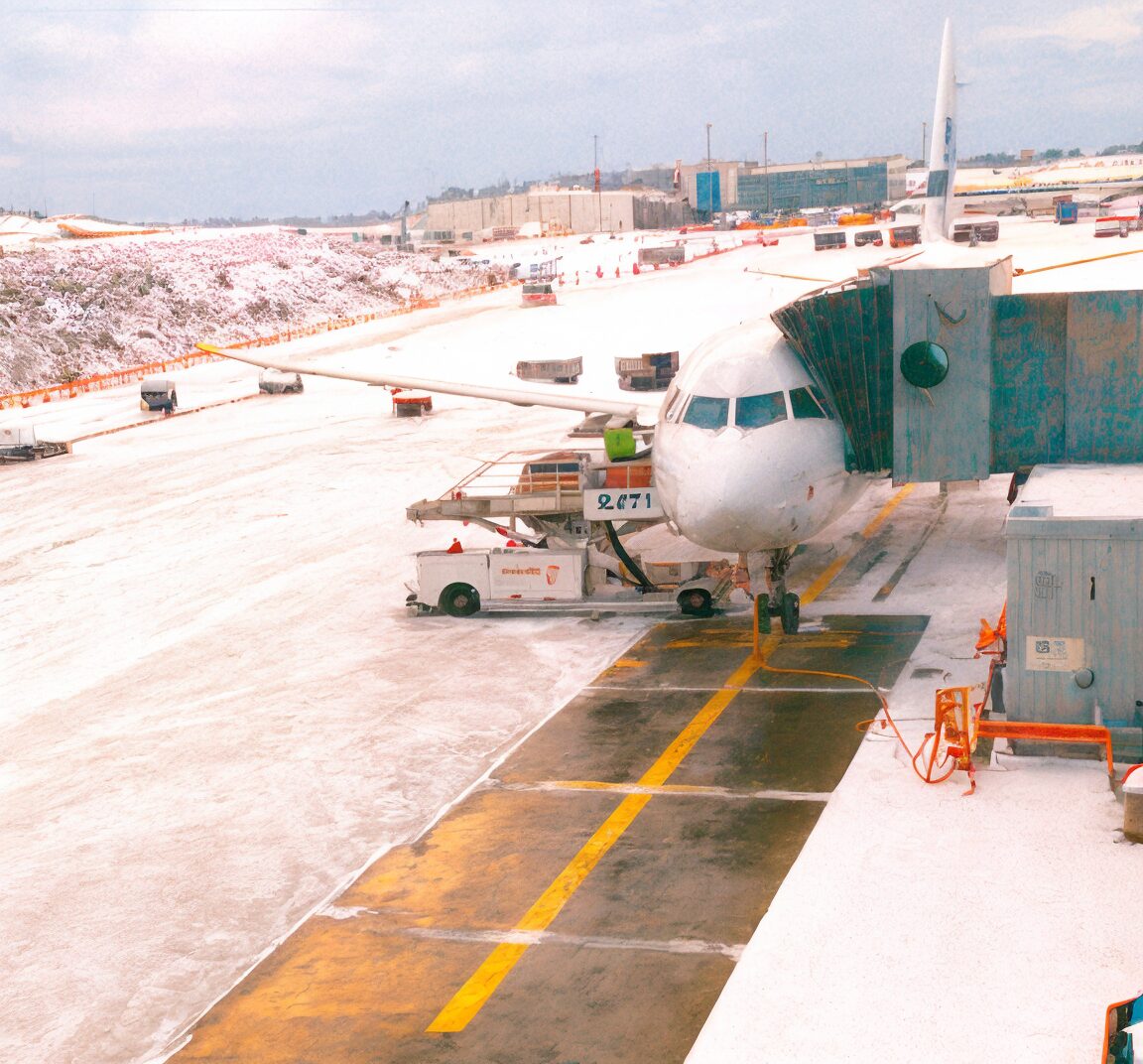
Wir bemühen uns konsequent, seriöse und langfristige Zusammenarbeit mit unseren Partnern und Lieferanten aufzubauen.